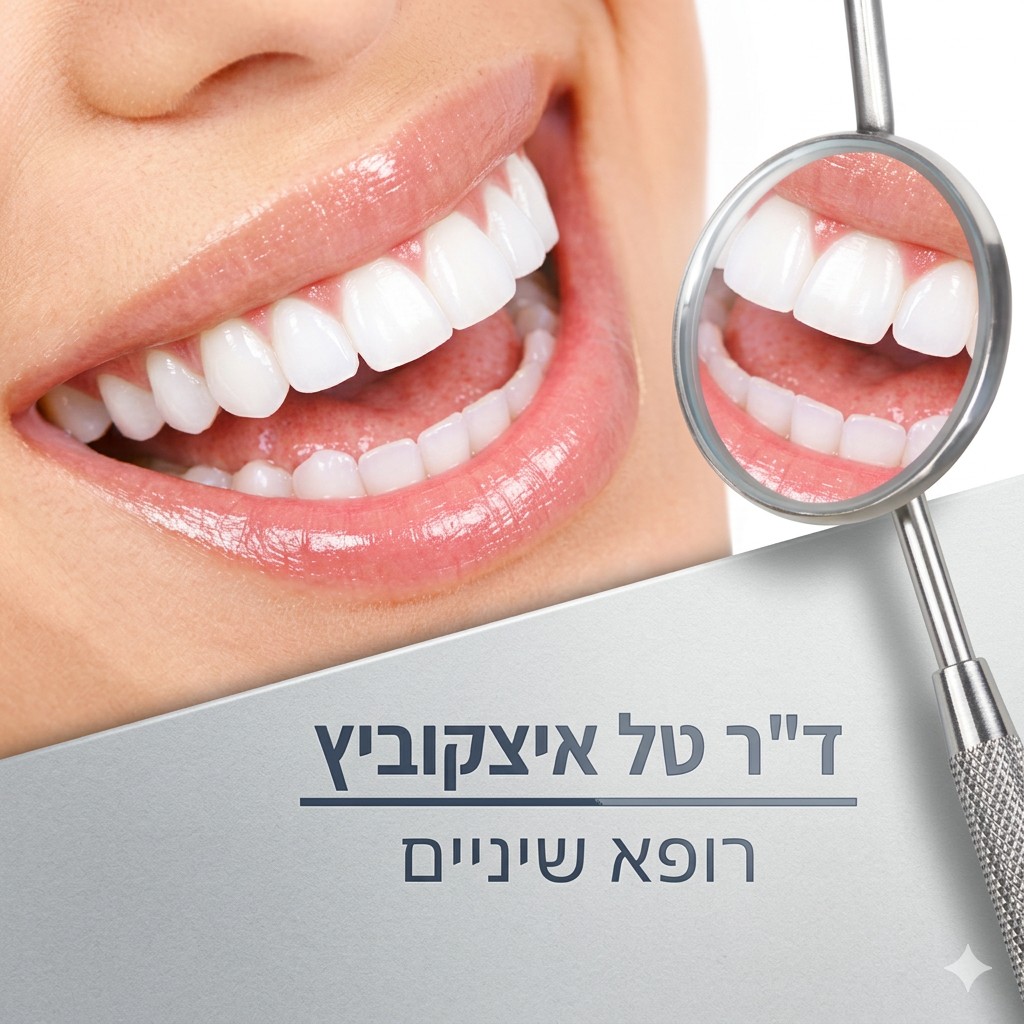
Bad breath: causes, diagnosis and treatment with a dentist in Haifa and the Krayot
Bad breath: a common problem with a solution
Bad breath (halitosis) is one of the hardest subjects to talk about, yet it is very common. Most people experience it from time to time, for example in the morning or after a meal rich in garlic and onion. When the odour persists and returns even after brushing, it is a sign worth checking. It affects self confidence, close conversations and sometimes social life and work.
The good news is that in most cases the source is inside the mouth, so a dentist can diagnose and treat it effectively. At Dr. Tal Itskovich's clinic in Kiryat Motzkin we meet patients from Haifa and the Krayot who have tried chewing gum, mouthwash and mints without success. These solutions mask the odour for a short while but do not treat the cause. In this guide we explain what causes bad breath, how to check it and what really helps.

What causes bad breath
Causes inside the mouth
In most cases the odour comes from bacteria that break down food debris and cells in the mouth and release strong smelling sulphur compounds. The most common place for them to accumulate is the back of the tongue, where a whitish coating forms that is hard to notice. Another major cause is gum disease: deep pockets around the teeth become a hiding place for bacteria, and persistent odour is often the first sign of a problem. Active decay, old fillings or crowns with a gap underneath, food trapped between teeth and a partially erupted wisdom tooth can also cause lasting bad breath. People who wear dentures or a night guard should also clean them every day.
Dry mouth and general causes
Saliva naturally rinses the mouth and neutralises bacteria. When there is less saliva, the odour gets stronger. That is the reason for morning breath, and also why mouth breathing, drinking too little, smoking, alcohol and certain medications (for example for blood pressure, allergies or depression) make things worse. Foods such as garlic, onion and coffee have an effect for a few hours, and fasting or a low carb diet can also cause a typical odour. In a minority of cases the source is outside the mouth: sinusitis, tonsil stones, reflux, or general conditions such as uncontrolled diabetes. In such cases we will refer you to your family doctor or an ENT specialist.
How to tell if you have bad breath
It is very hard to smell your own breath, because the nose gets used to it. A simple test at home is to lick your wrist, wait a few seconds and smell it. You can also gently scrape the back of your tongue with a spoon and check the smell and the colour of the coating. The most reliable way is to ask someone close whom you trust.
Related signs to watch for: a bad or metallic taste, a white or yellowish coating on the tongue, dry mouth, gums that bleed when brushing, and food that keeps getting stuck in the same place. If any of these appear together with the odour, it is worth booking a check-up.
Treating bad breath at the dental clinic
Treatment starts with diagnosis. At the dental exam we check the teeth and gums, the depth of the pockets around the teeth and the tongue, and if needed we take dental X rays to find hidden decay or a problem under an old filling. This tells us whether the source is in the mouth and, if so, exactly where.
After diagnosis, treatment is tailored to the cause. It usually includes professional scaling with a dental hygienist, treatment of gum disease, filling decay and replacing leaking fillings or crowns. We will show you how to clean your tongue properly and use interdental cleaning aids, and recommend a suitable alcohol free mouthwash. If there is dry mouth, we will look into the cause and suggest ways to relieve it. Most patients feel a significant improvement within the first few weeks.
A home routine for fresh breath
- Brush twice a day for two minutes with a fluoride toothpaste.
- Clean your tongue every evening with a tongue scraper or your toothbrush, from back to front.
- Clean between your teeth with floss or interdental brushes once a day.
- Drink water throughout the day, especially after coffee and during exercise.
- Chew sugar free gum after meals to stimulate saliva.
- Clean dentures, guards and clear aligners every day.
- Stop smoking and cut down on alcohol.
Mouthwash can help as an addition, but it is not a substitute for brushing and tongue cleaning. Alcohol based mouthwash may even dry the mouth and make the odour worse after a short time. You can find more about keeping your mouth healthy in our guide to preventing tooth decay.
When to see a dentist
If the odour lasts more than two weeks despite good hygiene, if it comes with bleeding gums, pain, swelling or a constant bad taste, or if someone close has mentioned it, it is time for a check-up. Also, if more than six months have passed since your last visit to a dentist or hygienist, an exam and professional cleaning are a good first step. Residents of Haifa, Kiryat Motzkin, Kiryat Bialik, Kiryat Yam and Kiryat Haim are welcome to book an exam at our clinic at 36 Aharon Street.
Frequently asked questions about bad breath
Does mouthwash cure bad breath?
Mouthwash masks the odour for a short time but does not treat the cause. If the odour keeps coming back, the cause needs to be found and treated.
Can bad breath indicate a gum problem?
Yes. Persistent odour is one of the common signs of gum disease. An exam and professional cleaning make it possible to detect and treat it early.
Does bad breath go away after treatment?
When the source is in the mouth, most patients see a significant improvement after treating the cause and improving their hygiene routine. When the source is outside the mouth, we will refer you to the right specialist.
Want to find out what is causing the odour?
In a single exam we can tell whether the source is in the teeth, gums or tongue, and tailor treatment for you. Dr. Tal Itskovich's clinic in Kiryat Motzkin welcomes patients from Haifa and all the Krayot, in a discreet and pleasant atmosphere.
Related articles: gingivitis and periodontitis, gum recession, dental hygienist care, preventing tooth decay.
You can also leave your details in our contact form and we will get back to you.
About the author
About the author
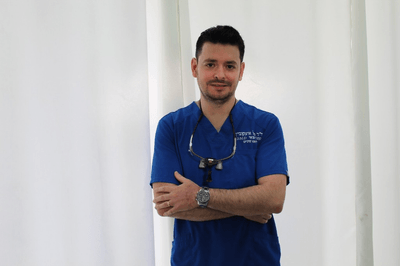
Dr. Tal Itskovich
Dentist · Oral rehabilitation & implants · Kiryat Motzkin
Dr. Tal Itskovich, dentist with over 15 years of experience in dental implants, aesthetic dentistry and oral rehabilitation. Clinic director in Kiryat Motzkin, with a particularly gentle approach for anxious patients.
Meet Dr. Tal Itskovich →