Dental anxiety in Haifa and the Krayot: a calm guide before your dental visit
Why talk about dental anxiety
Dental anxiety is a mental and physical response before, during or after dental treatment. It is very common. People from Haifa, the Krayot and Kiryat Motzkin often describe a racing heart, shallow breathing, tingling in the hands, or a strong urge to leave the chair. Sometimes it comes from an older memory of an unpleasant visit; sometimes it is linked to fear of pain, the sound of handpieces, or not feeling in control of what happens in the mouth. When check-ups are postponed again and again, decay and gum problems can progress quietly, and the care you eventually need may feel bigger and more stressful. That is why it helps to treat anxiety as part of your health plan, not as a side issue.
This article gives language to what you may feel, and practical ideas before seeing a Krayot dentist. It is not a substitute for a personal exam. If you have severe pain, swelling or fever, do not wait: see emergency care or book an urgent visit. For general questions, see our FAQ or the home page.
What is dental anxiety and how does it show up?
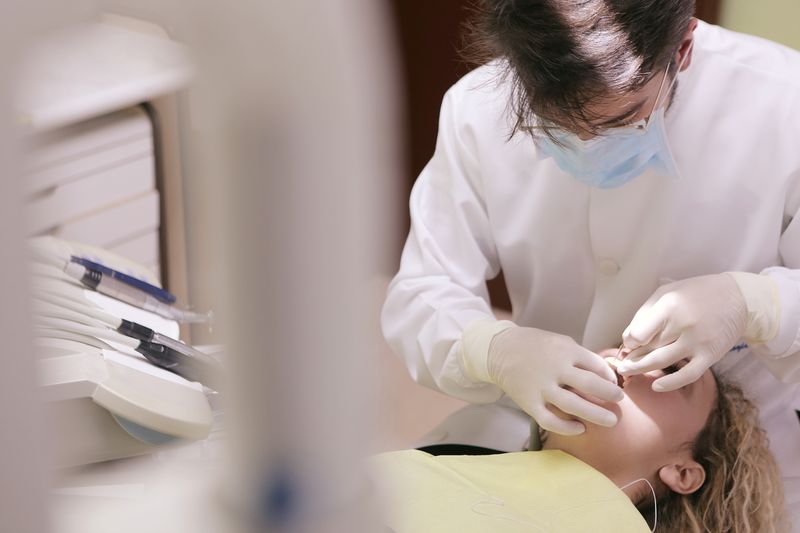
Dental anxiety can be mild or severe. Some people feel tension before a routine check-up; others avoid care for years despite pain or discomfort. Physical signs may include light-headedness, nausea, shaking, or difficulty staying calm when you hear the drill. This is not immaturity. It is a natural protective response. At Dr. Tal Itskovich's clinic in Kiryat Motzkin we see it every day, so we invest in explanation, pacing and trust before each step.
The difference between a one-off worry and anxiety that changes your decisions is mainly frequency and impact. If you delay hygiene visits, come only when it hurts badly, or postpone restorative care you know you need, consider an open conversation with the team. Even if you have not seen a dentist for years, you can start small: an exam, a plan, then continue when you feel ready.
Common triggers before dental treatment
A frequent trigger is a past experience that did not feel supportive. Even technically correct care can leave a memory if you did not get enough explanation, felt rushed, or had pain that was not addressed in time. Another trigger is fear of pain, especially around root canal treatment, extractions or longer procedures. Here, conversation about anaesthesia, stages, and the option to pause when appropriate makes a real difference. Noise and vibration in the mouth also bother many people, and that is completely legitimate.
General stress, poor sleep, or anxiety outside the clinic can add to the picture. If you also struggle with jaw clenching or bruxism, some patients feel more on edge before treatment. The goal is not to prove bravery, but to find a safer, calmer path to oral health.
What helps in clinic: communication, pacing and listening
Professional care should not feel like a constant surprise. We focus on explain-before-touch: what will happen now, how long it should take, and what sensations are normal. When unknowns shrink, anxiety often shrinks too. You can also choose a pace that fits you: sometimes two shorter visits are easier than one long session. When appropriate and based on medical assessment, we discuss local anaesthesia and other ways to stay comfortable, always following clinical guidance.
If you need root canal treatment or hygienist care, a short introductory visit can be only assessment and planning. Aesthetic work or implants may sound intimidating at first, but clear staged plans help many people feel much calmer. Ask the small questions, especially if this is your first visit after a long break.
Before your first visit: small steps that help
Try to book a time when you are not rushing straight into a stressful task afterwards. Arrive a little early, breathe, and remember you are allowed to ask questions. If it helps, write a short list: pain, sensitivity, anxiety, medications, or a specific fear about an instrument. Eat a light meal beforehand if your clinician allows it, and wear comfortable clothes. If you travel from Haifa or the Krayot, plan a calm route so you do not arrive already wired from traffic.
If a supportive person helps you, tell them you are going for a check-up. Sharing the plan can lower the mental load. Your first visit can be exam and explanation only, with no invasive treatment that day, if you wish. You can mention this in advance via the contact form or by phone.
When you should not postpone seeing a dentist
If you have pain, swelling, bleeding gums that does not stop, a broken tooth, or difficulty closing the mouth, seek care rather than hoping the anxiety will pass on its own. Long delays can turn a simpler problem into a more complex one. Even without pain, if you know you avoid the dentist because of fear, a meet-and-greet visit is a good next step. Dr. Tal Itskovich's clinic in Kiryat Motzkin welcomes patients from the whole area, including Kiryat Bialik, Kiryat Yam and Kiryat Haim, with an emphasis on calm, respectful care.
FAQ on dental anxiety
Am I the only one who feels this way?
No. Dental anxiety is very common at all ages, including people who look calm outside the clinic. Tell the team so the visit can be tailored.
Can I come for a visit without treatment the same day?
Often yes. You can book an assessment-only visit and schedule the next steps only when you feel ready.
What if I am embarrassed to ask for a break mid-treatment?
You can ask for a pause. Agreeing on a simple hand signal beforehand helps the team respond immediately when you need a moment.
Where is the clinic and how do I book?
Aharon 36, Kiryat Motzkin. Call 054-8998288 or use the website contact form.
Want a first visit that feels calm and unhurried?
We would be glad to see you for an exam or a short introductory visit, explain step by step, and build a plan that fits you. You never need to apologise for fear: it is part of the picture, and we are used to supporting it professionally.
Related: Bruxism and tooth wear, Root canal, Dental hygienist, FAQ.
You can also use the contact form.
About the author
About the author
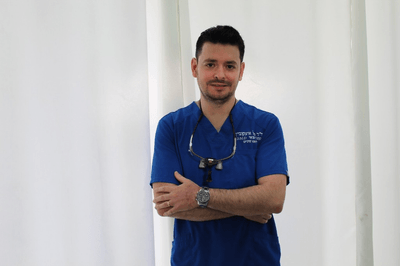
Dr. Tal Itskovich
Dentist · Oral rehabilitation & implants · Kiryat Motzkin
Dr. Tal Itskovich, dentist with over 15 years of experience in dental implants, aesthetic dentistry and oral rehabilitation. Clinic director in Kiryat Motzkin, with a particularly gentle approach for anxious patients.
Meet Dr. Tal Itskovich →